
If you decide to buy real estate with the intention of renting it out and earning passive income, you’ll need the right advice to get the most out of your investment.
Consider hiring a property manager to take care of managing your rental property if you don’t have the time or resources to do it yourself. You must have a thorough understanding of how property management functions in both scenarios.
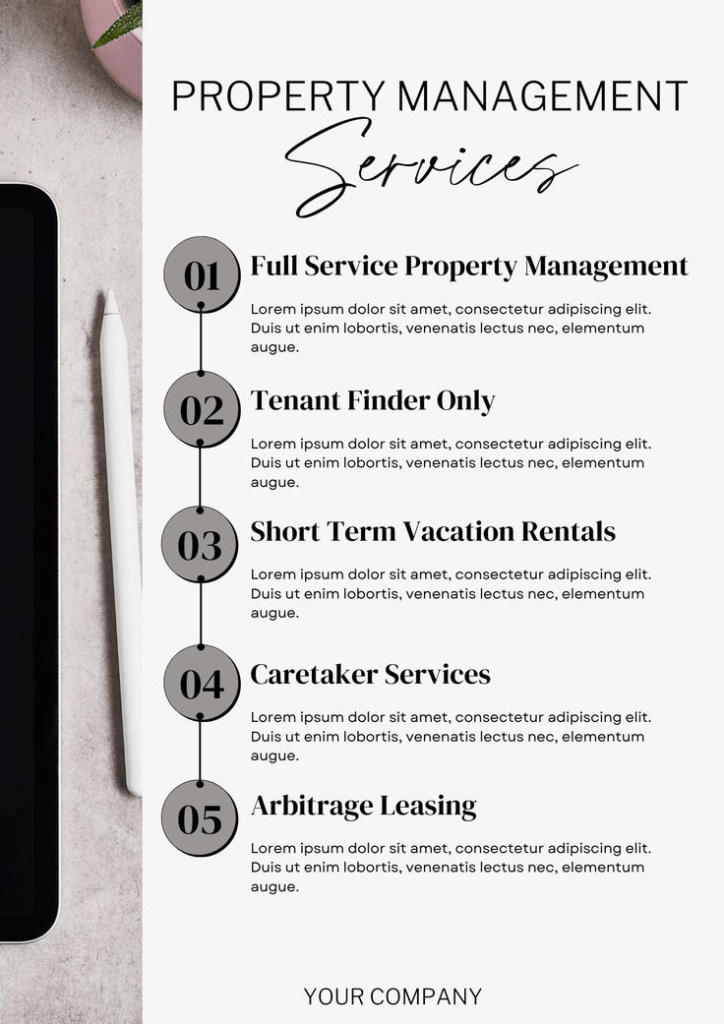
Property management – what is it?
The term “property management” refers to the control of residential, commercial, and industrial properties, such as shopping malls, duplexes, and flats. By maintaining the integrity and value of the property, the property manager in this instance manages it on behalf of the owner, protecting their financial interests.
The Process of Property Management
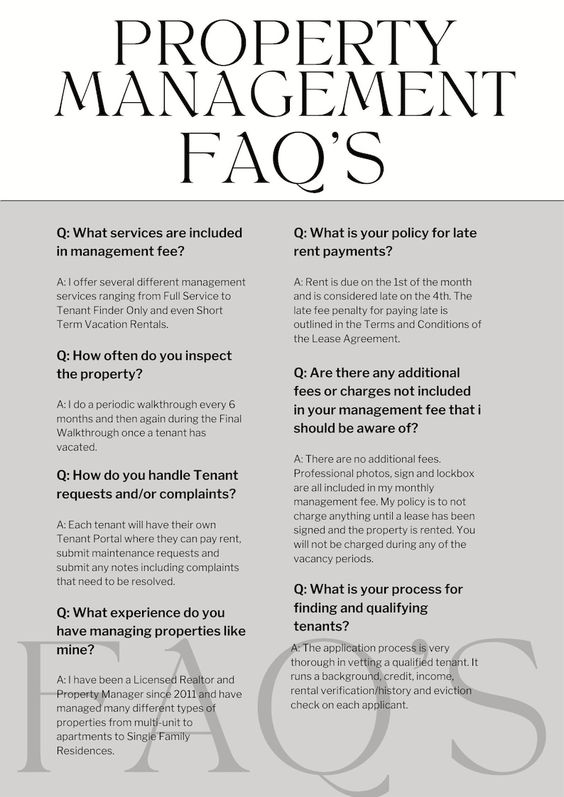
Property management” describes the administration of residential, commercial, and industrial properties such apartments, duplexes, and shopping centers. The property manager in this case oversees the property on behalf of the owner, safeguarding their financial interests, by upholding its integrity and worth.
What Managing a Property Involves
Rent collection:
Property managers are responsible for collecting rent from tenants on behalf of the property owner. They also enforce late fees and eviction procedures, if necessary.
Tenant management:
Property managers handle tenant issues such as maintenance requests, lease renewals, and complaints. They are also responsible for screening tenants, handling move-ins and move-outs, and ensuring that the property is in compliance with fair housing laws.
Maintenance and repairs:
Property managers oversee maintenance and repair work on the property, such as landscaping, cleaning, and repairs to the building’s structure, electrical systems, plumbing, and heating and cooling systems.
Budgeting and accounting: Property managers are responsible for creating and managing a budget for the property. They also handle financial reporting, record keeping, and tax filing for the property owner.
Marketing and leasing:
Property manager’s market vacant units, conduct property tours, and process applications from potential tenants. They also negotiate lease agreements and renewals.
Compliance:
Property managers ensure that the property is compliant with all relevant laws and regulations, such as zoning laws, building codes, and environmental regulations.
Communication:
Property managers maintain good communication with the property owner, tenants, and contractors to ensure that everyone is informed and on the same page.
Overall, property management involves a wide range of responsibilities, and requires a combination of skills including organization, communication, problem-solving, and financial management. Successful property managers must be able to handle multiple tasks at once, be detail-oriented, and have a strong understanding of the real estate market and property management industry.
SHOULD YOU RATHER EMPLOY A PROPERTY MANAGER?
There are many benefits to be had from hiring a professional to handle your property management, particularly if you have a hectic schedule. Property managers have an abundance of industry experience that can assist you in achieving this.
The following are some advantages of using their services: Less stress, more freedom, and more time
Effective property marketing and advertising;
Finding excellent renters for your property
Ensuring prompt rent payments
Property value protection.
From the foregoing, it is clear that there are numerous advantages to em ploying a qualified expert to manage your property. Although circumstances vary, you have two choices: manage the property yourself, or engage a third party to do it for you. In any case, you must purchase real estate in Kenya or be the owner of a residential or commercial structure before you can begin to think about your possibilities. We have a variety of practical, ultramodern homes for sale in Kenya that satisfy a range of purposes. Why don’t you take a moment to verify this for yourself?
 Diana kawira
Leave a comment