
Leasing is a symphony of possibilities, where dreams take residence and aspirations find a home. It’s the art of unlocking spaces, forging connections, and embracing the rhythm of a space that becomes your own.

Leasing is a commonly utilized arrangement in Kenya’s real estate market. It allows individuals and businesses to occupy a property for a specified period while paying rent to the owner. Before signing a leasing agreement, it is crucial to be aware of certain key factors that can affect your experience and protect your interests.
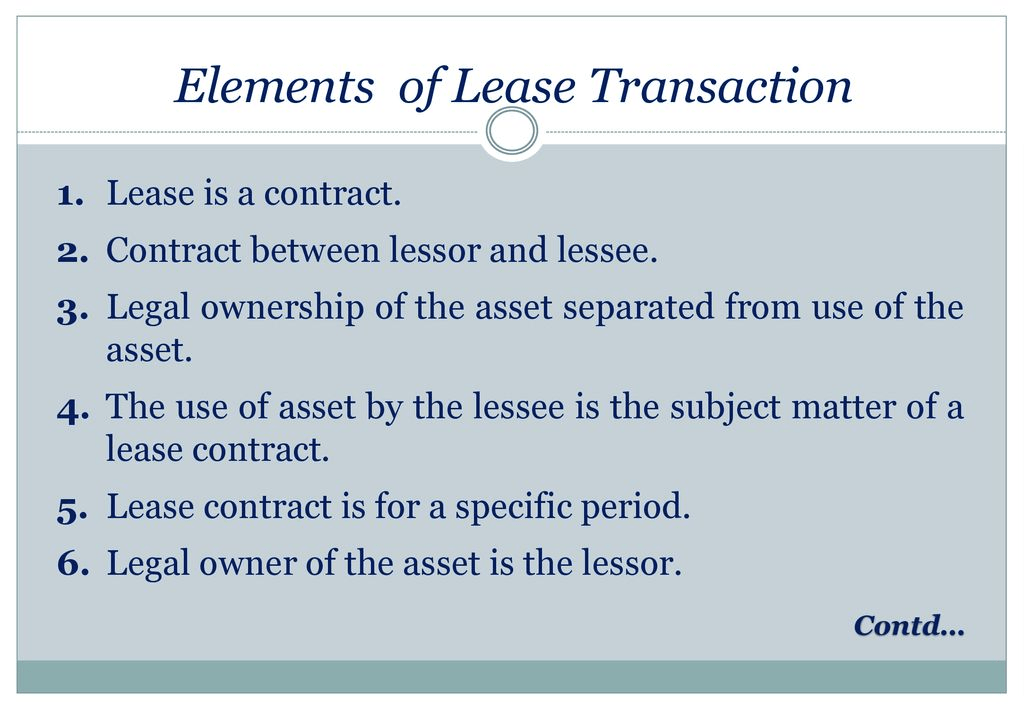
Leasing, in simple terms, refers to a contractual arrangement where a property owner (known as the lessor) grants another party (known as the lessee) the right to use their property for a defined period in exchange for rent. The lease agreement outlines the terms and conditions that govern the relationship between the lessor and the lessee.
One important distinction to understand is the difference between a lease and a license. While both involve granting the use of a property, there are fundamental differences between the two. A lease involves the transfer of an interest in the property, providing the lessee with exclusive possession and control. On the other hand, a license merely grants permission to use the property but does not confer any possessory interest.
When considering signing a leasing agreement, there are essential elements that must be present for the lease to be valid:

Mutual Consent
Both the lessor and the lessee must willingly and voluntarily agree to the terms of the lease. This includes the rental amount, duration of the lease, and any other conditions.
Legal Capacity
Both parties involved in the lease must have the legal capacity to enter into a contract. This typically means being of sound mind, not being a minor, and having the authority to represent a business entity if applicable.
Description of the Property
The lease agreement should clearly identify the property being leased, including its specific location and any relevant details that accurately describe the premises.
Duration
The lease must specify the duration for which the property will be leased. This can be a fixed term (e.g., one year) or a periodic term (e.g., month-to-month).
Rent and Payment Terms
The lease agreement should clearly state the amount of rent, how it will be paid, and when it is due. It should also include any provisions regarding late payment fees or penalties.
Rights and Responsibilities
The lease should outline the rights and responsibilities of both the lessor and the lessee. This includes obligations related to maintenance, repairs, utilities, and any restrictions on the use of the property.
Termination and Renewal
The lease should specify the conditions under which the lease can be terminated by either party. It should also outline the process for lease renewal if applicable.
Before signing a leasing agreement, it is crucial to thoroughly review and understand all the terms and conditions. Seeking legal advice, if necessary, can provide further guidance and ensure that you are entering into a valid and beneficial lease arrangement.
Key Considerations Before Signing a Lease.
Exercise due diligence by conducting a search to determine who owns the property and whether it is subject to any encumbrances. When a property comprises buildings, it is advisable to conduct a structural survey and obtain a status report on the property’s condition.
Charges: Be sure you comprehend how service fees and rent are calculated, and get a professional opinion on current market rates.
Leasing can be an advantageous option for individuals and businesses seeking flexible occupancy arrangements. By understanding the definition of leasing, the distinctions between a lease and a license, and the essential elements of a valid lease, you can make informed decisions and protect your rights when entering into a leasing agreement in Kenya.


 Diana kawira
Leave a reply to Priti Cancel reply