
A designer knows when he has reached perfection not when there is nothing left to add but when there is nothing left to take away.
Antione de Sainte-Exupery
Creating a well-decorated home is a beautiful and fulfilling endeavor. Whether you’re moving into a new space or looking to refresh your current one, the process of home decorating allows you to infuse your personal style, create a welcoming ambiance, and showcase your unique taste.
From selecting color schemes to adding the perfect finishing touches, every decision contributes to the overall atmosphere and comfort of your home. In this guide, we will explore a variety of home decorating tips and provide examples to inspire your creative journey. So, let’s dive in and discover how you can transform your living space into a haven that reflects your personality and brings joy to your everyday life.
Establish a color scheme.
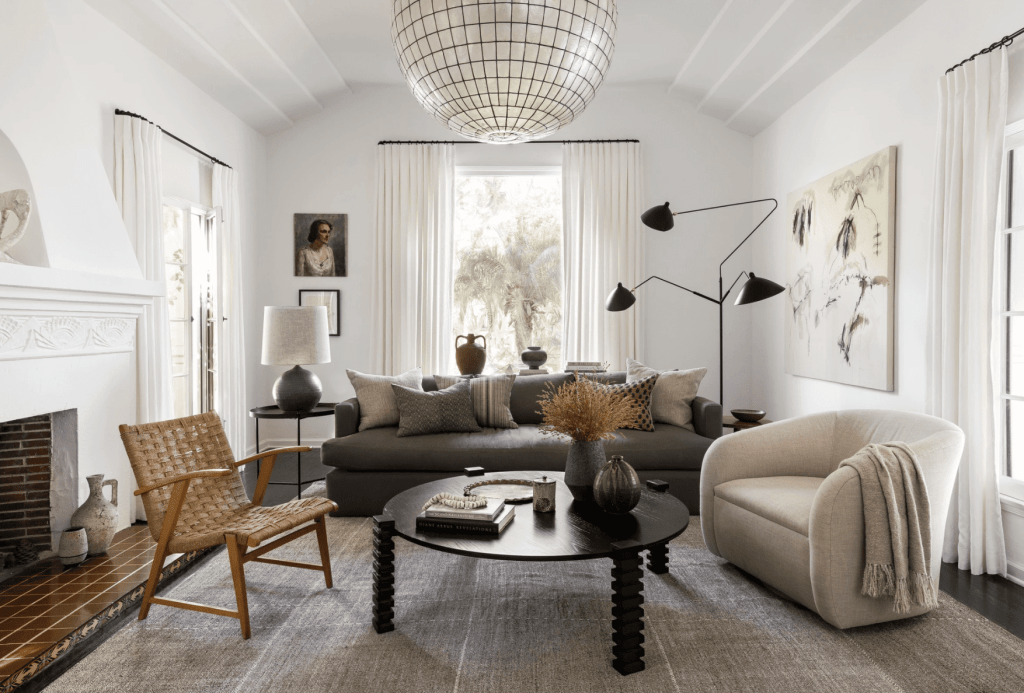
Start by choosing a primary color that will serve as the foundation for your palette. Consider the mood and atmosphere you want to create in each room. For example, a serene and calming bedroom could feature a soft palette of light blues and grays. Once you have a primary color, select complementary colors to create a cohesive look. Use the 60-30-10 rule, where 60% is the dominant color, 30% is a secondary color, and 10% is an accent color. For instance, in a living room with a primary color of beige, the secondary color could be a warm gray, and the accent color could be a vibrant shade of coral.
Create a focal point.
Determine the focal point based on the room’s layout and purpose. It could be a fireplace, a large window with a beautiful view, or even a piece of furniture like a grand piano.

Enhance the focal point by adding elements that draw attention, such as bold wallpaper, a striking piece of artwork, or a statement chandelier. In a dining room, a focal point could be a dramatic chandelier suspended above the table, illuminating the space and creating a stunning centerpiece.
Utilize lighting effectively.
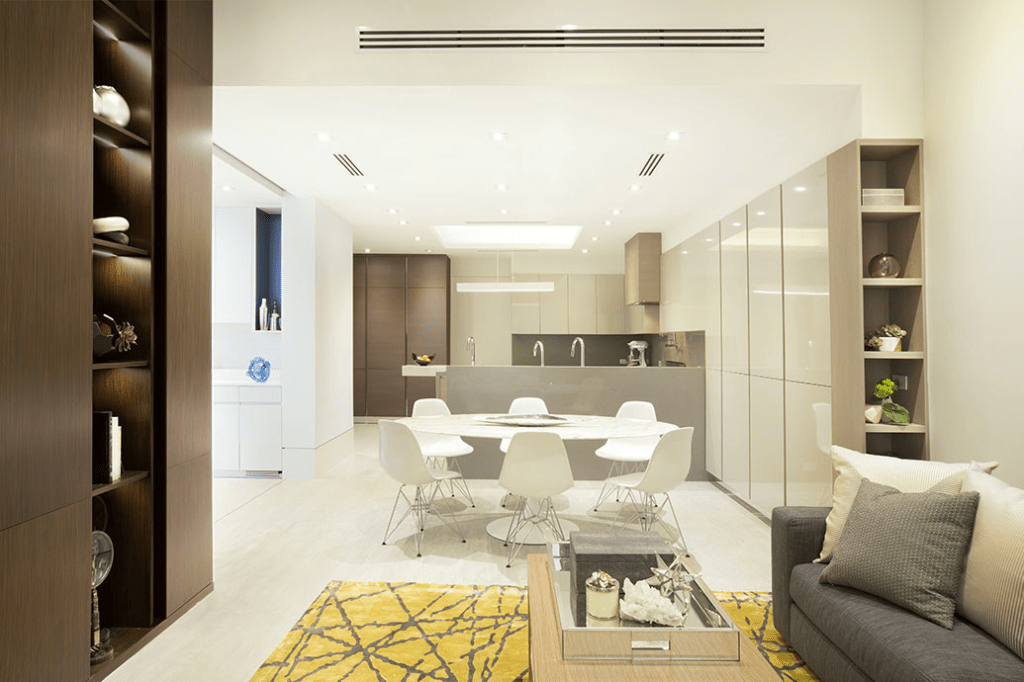
Lighting is crucial for setting the right mood in a room. Start with ambient lighting, which provides overall illumination. This could be achieved through ceiling-mounted fixtures or even natural light from windows. For task lighting, consider specific activities in each room. In a home office, a desk lamp with adjustable brightness will provide adequate lighting for working. Accent lighting is used to highlight specific features or objects, such as recessed lights illuminating a bookshelf or track lighting highlighting a piece of artwork.
Add texture and layering.
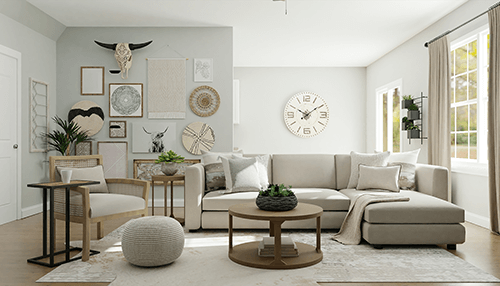
Texture adds depth and tactile interest to a room. Mix materials such as smooth velvet, soft faux fur, rough jute, or glossy ceramic to create contrast. In a living room, place a chunky knit throw blanket on a leather sofa, add velvet accent pillows, and place a woven jute rug on the floor. Layering these different textures will create a visually appealing and cozy atmosphere.
Use mirrors strategically.
Mirrors have the power to visually expand a space and reflect light, making it appear brighter and more spacious. Place a large mirror across from a window to maximize natural light and create the illusion of an additional window. In a narrow hallway, hang a series of small mirrors to create a sense of depth and openness.

Remember, decorating your home is not just about following trends or creating a picture-perfect space. It’s about crafting an environment that tells your unique story and makes you feel truly at home. So, let your creativity flow, experiment with different styles, and don’t be afraid to break a few design rules along the way. After all, the most important element of any home is the love and warmth that fills its walls. Happy decorating, and may your home always be a reflection of your extraordinary personality and a source of endless delight!
 Diana kawira
Leave a comment